Aviation Switching Module – NSN 4920-01-250-2696 (AS-IS / Untested): Specialized Aircraft Test and Control Hardware
Aviation Switching Module – NSN 4920-01-250-2696 (AS-IS / Untested): Specialized Aircraft Test and Control Hardware
Blog Article
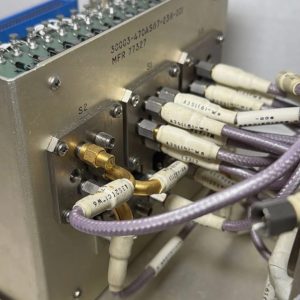
The Aviation Switching Module – NSN 4920-01-250-2696 (AS-IS / Untested) is a specialized aerospace electrical component offered for professional evaluation, restoration, testing, parts recovery, collection, or another suitable non-assumed application.
An Aircraft Switching Module may interact with test equipment, aircraft systems, electrical circuits, or support hardware, while an Aerospace Switching Module should not be energized without suitable technical information.
Whether buyers search for an Aircraft Electrical Switching Module, Aviation Electrical Control Module, Aircraft Power Switching Module, Aerospace Electrical Control Unit, or Aircraft Signal Switching Module, technical identification should guide the purchase.
An Aircraft Switching Unit can support specialized signal or circuit management, but an Aerospace Power Distribution Module or Aviation Power Control Module may use different internal architecture and electrical requirements.
Key Details of the Untested Switching Module
A matching NSN can improve identification, but it does not establish present condition, functional status, completeness, or suitability for a particular aircraft or test system.
An identification plate should not be removed, repainted, altered, or covered because it may provide the strongest evidence of the component’s origin.
AS-IS Aerospace Equipment Considerations
The condition description should be understood as a limitation rather than a suggestion that the unit is probably operational.
A current-limited and controlled test setup may be appropriate when selected by qualified personnel.
Evaluating Aircraft Switching Functions
A module used with maintenance equipment may function differently from one installed onboard an aircraft.
Each visible feature should be photographed and described without assuming its electrical purpose.
Aerospace Enclosure and Connector Condition
The enclosure should be inspected for dents, cracks, corrosion, missing screws, altered holes, broken seals, and unauthorized repairs.
Connectors should be examined for bent pins, pushed-back contacts, corrosion, contamination, cracked inserts, damaged threads, broken keyways, missing caps, and impact marks.
Inspecting Aviation Module Wiring
A burnt odor, melted material, soot, or arcing marks should be disclosed clearly.
If the enclosure is opened for professional inspection, the process should be documented with photographs and organized hardware control.
Maintaining Electrical Control Equipment
The exact interface must be established through diagrams, manuals, connector data, or verified system information.
Careful preservation supports future study and accurate Aviation Electrical Control Module documentation.
Aircraft Power Switching Module Considerations
Power switching equipment can create heat, arcing, or equipment damage when connected incorrectly.
Missing covers or barriers may expose conductive points and increase handling risk.
Aerospace Electrical Control Unit Evaluation
Visual inspection, continuity checks, insulation review, component identification, click here and controlled testing may form part of a professional evaluation.
A common-looking relay, switch, resistor, connector, or wire may not be an acceptable substitute.
Maintaining Aircraft Interface Hardware
Qualified evaluation supports responsible Aircraft Signal Switching Module use.
A complete accessory inventory improves the commercial presentation of the Aircraft Signal Switching Module.
Control Module Compatibility Review
Clear intended use helps establish realistic expectations for an AS-IS Aviation Control Module.
Compatibility should be verified through NSN, part number, manufacturer, connector layout, revision level, modification status, and equipment application.
Aircraft Switching Unit for Maintenance or Restoration
Its value depends on identity, completeness, cosmetic condition, connector integrity, internal status, rarity, and availability of documentation.
The equipment should remain clearly labeled as untested and unsuitable for operational installation without evaluation.
Aerospace Power Distribution Module Considerations
A module should not be loaded electrically until contact condition, insulation, wiring, and circuit configuration are understood.
The original installation orientation should be researched where possible.
Maintaining Legacy Aviation Control Equipment
An Aircraft Electrical Control Unit should receive an organized inspection covering identification, enclosure condition, connectors, controls, labels, hardware, internal components, and signs of environmental exposure.
Functional evaluation should proceed in stages, beginning with research and non-powered inspection before controlled electrical testing.
Aviation Electrical Power Management
Responsible product information protects buyers seeking an Aviation Power Control Module.
Technicians should inspect for capacitors, transformers, relays, damaged insulation, or hazardous residues before opening or testing the unit.
Electronic Switching Module Applications
Without those references, operational claims should remain limited.
Professional analysis supports responsible Aircraft Electronic Switching System maintenance.
Shipping Aviation Electrical Modules
Connector caps should remain fitted, and the module should be supported without placing pressure on switches, knobs, cables, or mounting brackets.
Insured and trackable transportation supports responsible sales of specialized aviation hardware.
Commercial Inspection of an Electrical Module
Commercial evaluation should focus on total project suitability rather than the purchase price alone.
Unknown information should remain clearly identified as unknown.
Aerospace Module Pre-Purchase Inspection
The seller should disclose corrosion, missing parts, broken controls, damaged connectors, previous repairs, opened seals, burned areas, contamination, and signs of impact.
- Confirm that the identification plate shows NSN 4920-01-250-2696 and record every manufacturer number, serial number, contract marking, revision, and modification label.
- Inspect the enclosure for dents, cracks, corrosion, missing screws, altered holes, broken seals, damaged brackets, and signs of previous opening.
- Inspect and photograph the module immediately after delivery before cleaning, opening, powering, wiring, modifying, or removing components.
Safe Testing of an Aircraft Switching Unit
A methodical process reduces the risk of damaging rare aviation equipment.
The test should stop immediately if overheating, smoke, arcing, excessive current, unstable operation, or unusual odor occurs.
Documenting Aviation Electronics Restoration
Restoration should begin with condition documentation, careful cleaning, technical research, component identification, fault isolation, and repair planning.
The final product status should describe only the functions that were evaluated successfully.
Choosing the Aviation Switching Module – NSN 4920-01-250-2696 (AS-IS / Untested)
The Aviation Switching Module – NSN 4920-01-250-2696 (AS-IS / Untested) offers stronger commercial appeal when its markings, controls, connectors, enclosure, accessories, history, and limitations are documented accurately.
Buyers should request detailed photographs, accurate AS-IS disclosures, technical research, secure transaction terms, protective shipping, and qualified evaluation where appropriate.
Whether customers search for an Aircraft Electronic Switching System, Aerospace Switching Unit, or Aircraft Electrical Module, broad terminology should not replace technical application research.
With prompt attention to switches, connectors, wiring, enclosure condition, corrosion, labels, and internal components, the module can preserve its technical and commercial potential.
Report this page